Our Blog

17 February, 2026
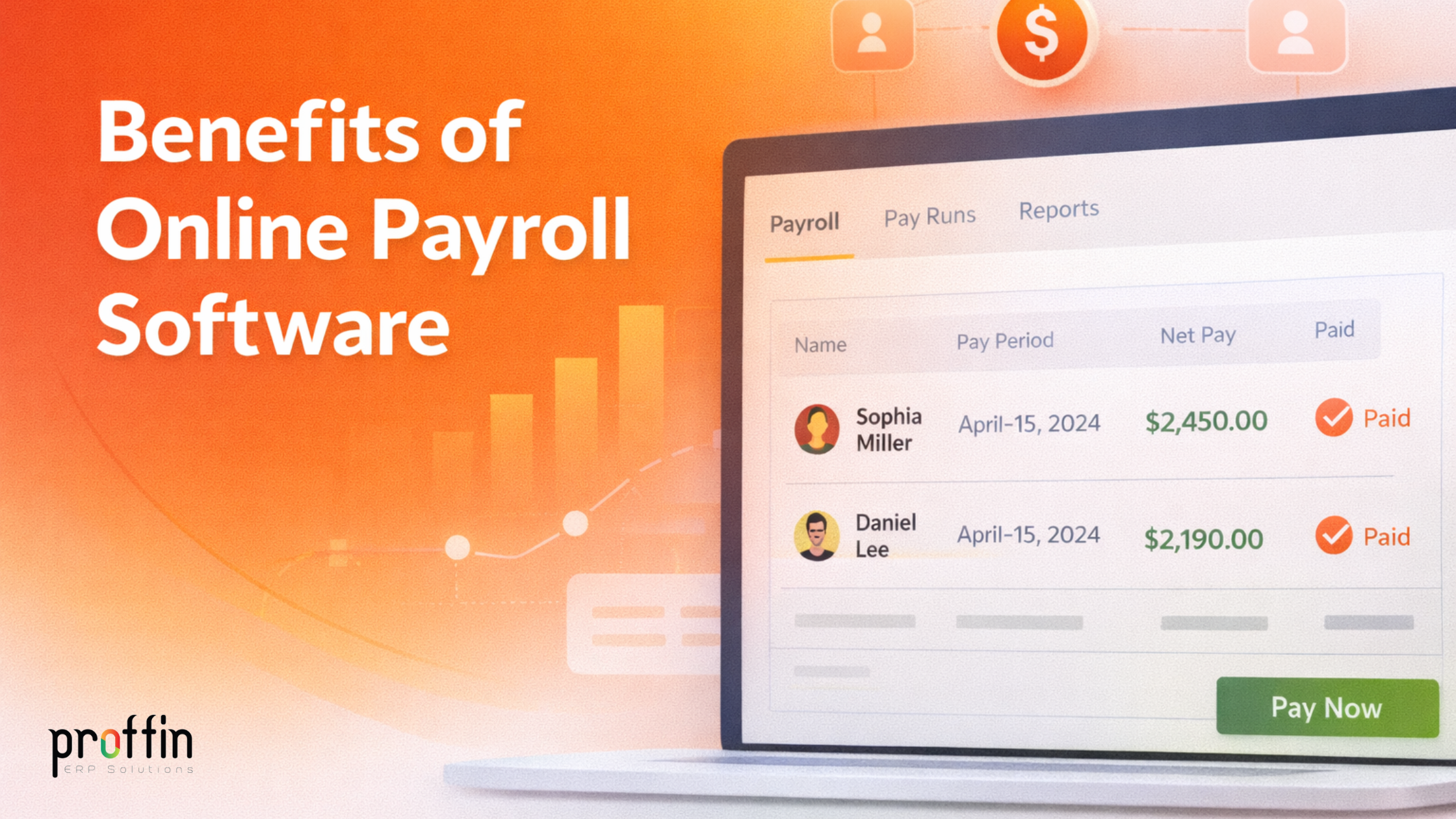
Handling payroll is one of the most sensitive responsibilities in any business. Employees expect accurate salaries, companies must follow legal requirements, and HR teams often work under tight deadlines. When payroll is managed manually or through outdated systems, mistakes can easily happen.
This is why many organizations are moving toward cloud erp software india, Hrms and payroll software india, and online payroll software india to simplify daily operations. Cloud technology allows businesses to manage payroll smoothly while reducing workload and improving reliability.
Let us look at the major benefits of cloud-based payroll software and why it has become an essential tool for modern businesses.
One of the biggest advantages of cloud erp software india is flexibility. Payroll data is stored securely online, which means HR teams and business owners can access information whenever needed.
Whether approving salaries, checking reports, or reviewing employee records, everything can be handled without being physically present in the office. For companies with multiple branches or remote teams, online payroll software india makes everyday work much easier.
Instead of depending on paperwork or office systems, businesses gain full control from anywhere.
Payroll involves calculations, deductions, bonuses, taxes, and compliance updates. Doing all of this manually increases the chances of mistakes.
Modern Hrms and payroll software india automates these processes. Salaries are calculated accurately, deductions are applied correctly, and reports are generated instantly. This reduces last-minute stress for HR teams.
Because of this accuracy, many companies now prefer the best hr payroll software india to avoid costly payroll errors and improve employee trust.
Time is one of the most important resources for any growing business. When HR teams spend hours managing spreadsheets or verifying numbers, productivity suffers.
Using the best hr software india allows organizations to complete payroll tasks faster. Automated workflows handle repetitive processes so HR professionals can focus on hiring, employee engagement, and strategic planning instead of routine administration.
Over time, this leads to smoother operations across the company.
Searching through files or multiple systems for employee data can be frustrating. A reliable cloud erp software india platform stores everything in one place — from salary details to attendance records.
Centralized data improves clarity and helps HR teams respond quickly to employee requests. It also supports better decision-making because leaders have access to updated information whenever they need it.
For businesses aiming to stay organized, online payroll software india offers a practical solution.
As a company expands, managing employees becomes more complex. More staff means more payroll processing, compliance checks, and record keeping.
Cloud systems are designed to scale easily. Whether a business is hiring five employees or fifty, the software adapts without requiring major changes. This makes Hrms and payroll software india a smart long-term investment rather than a temporary fix.
Choosing the best hr payroll software india ensures your HR system is ready for future growth.
Payroll is closely connected to legal compliance. Even small mistakes can lead to penalties or employee dissatisfaction.
Cloud payroll platforms help businesses stay aligned with regulations by organizing records and supporting accurate reporting. With the best hr software india, companies can manage payroll confidently while minimizing risks.
This reliability is one of the main reasons businesses are adopting cloud erp software india at a faster pace.
Employees appreciate transparency and quick access to their information. Cloud-based systems often include self-service features where staff can view payslips, apply for leave, and update details without depending entirely on HR.
When processes become faster and clearer, employee satisfaction naturally improves. Investing in online payroll software india is not just about efficiency — it also helps create a better workplace experience.
After understanding the benefits of cloud payroll technology, selecting the right platform becomes the next important step.
Proffin provides a powerful solution that combines HR management and payroll within a single system. Businesses can manage salaries, track attendance, monitor performance, and maintain employee records without switching between multiple tools.
The platform is cloud-based, secure, and designed to simplify complex HR tasks. It supports organizations of different sizes and adapts easily as business needs change.
By reducing manual work, improving accuracy, and organizing workforce data, Proffin helps companies operate with greater confidence and efficiency.
11 February, 2026
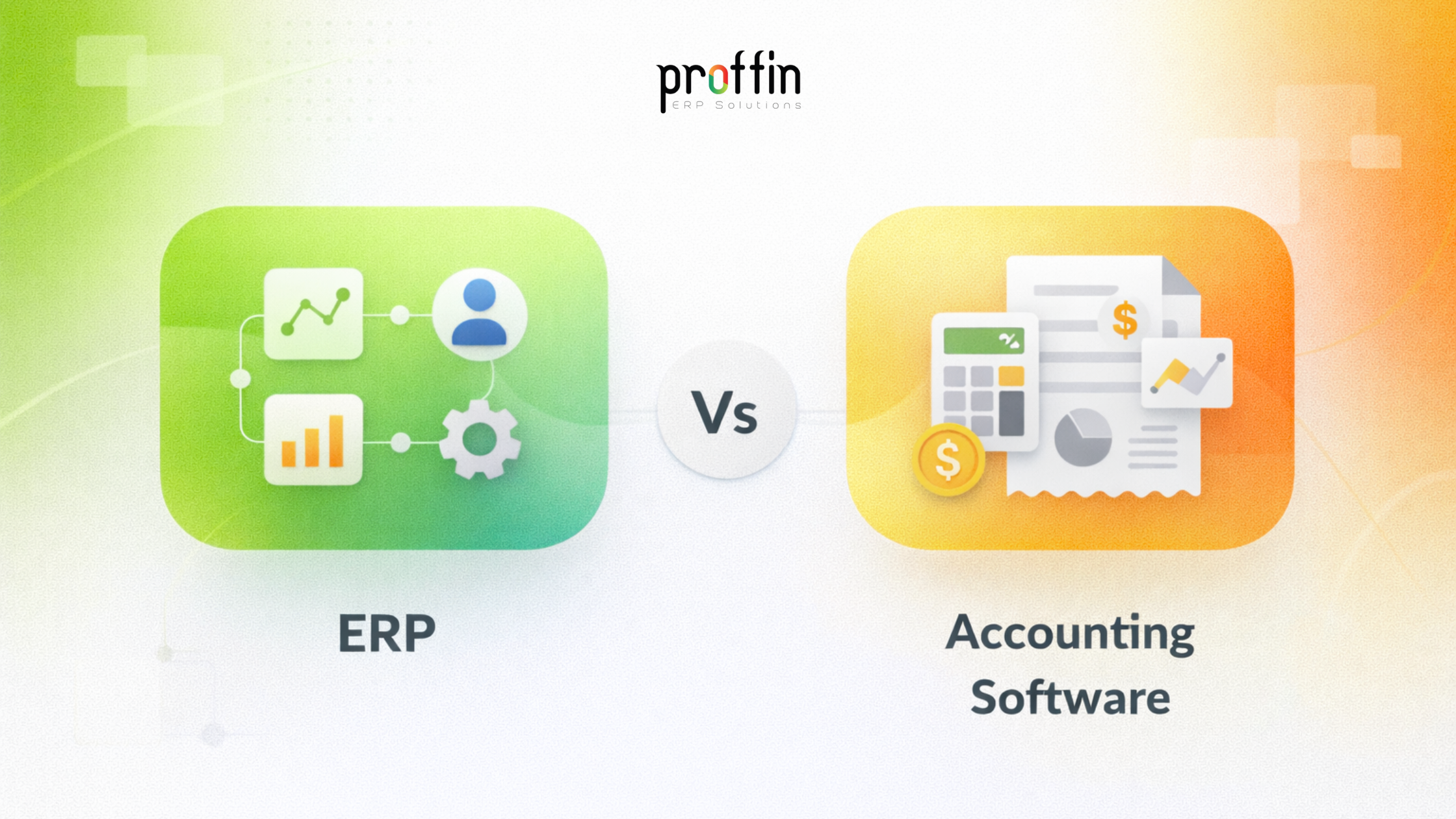
Running a business in Saudi Arabia is moving at a breakneck pace right now. Digital tools aren't just a nice to have anymore they’re how you stay accurate and keep up with ZATCA’s latest rules. Most owners eventually hit a wall where they have to ask: "Is my basic accounting tool enough, or is it finally time for a full ERP?"
It’s a big call. While basic apps are great for the books, they often start to break down when your team grows. That is why so many companies are now looking for the best ERP software to get their whole operation under one roof.
Accounting software handles the money side of things. It tracks your income, manages expenses, and makes sure your VAT filings are actually correct.
For a new startup, this is usually the first big step away from messy manual records. It’s affordable. It stops those small math errors that turn into big headaches during an audit.
The main perks:
But here’s the catch: problems usually start when you grow. Once you have a sales team, a warehouse, and an HR department all trying to share data, a simple accounting app can start to feel a bit too small.
An ERP system is a different beast. Instead of just focusing on the bank balance, an ERP acts like the brain for your entire company. It links your sales, your stock, your people, and your money in one single database.
When everyone is working from the same live data, you don't have to deal with different departments giving you conflicting numbers. Everything just stays in sync.
With a solid ERP, a business can:
If you’re trying to decide, think about these three main things:
The Kingdom’s economy is evolving fast. Relying on disconnected systems makes it way too easy to miss errors or fall behind on local regulations. Managing your warehouse, your staff, and your bank accounts in three separate apps is basically a recipe for confusion.
This is why more organizations are shifting toward integrated software. They realize that finding the best ERP software in Saudi Arabia simplifies the daily grind and makes staying compliant much easier.
Choosing the right software is a big move, but the partner you pick is just as important. Proffin provides a top-tier ERP system that is powerful enough for complex operations but actually easy for your staff to use.
Why local owners choose Proffin:
Proffin helps you move beyond the limits of basic accounting software. We give you the clarity and control needed to stop worrying about the paperwork and start focusing on your growth. If you want a system that truly prepares your company for the future, Proffin is a smart and dependable choice.
05 February, 2026
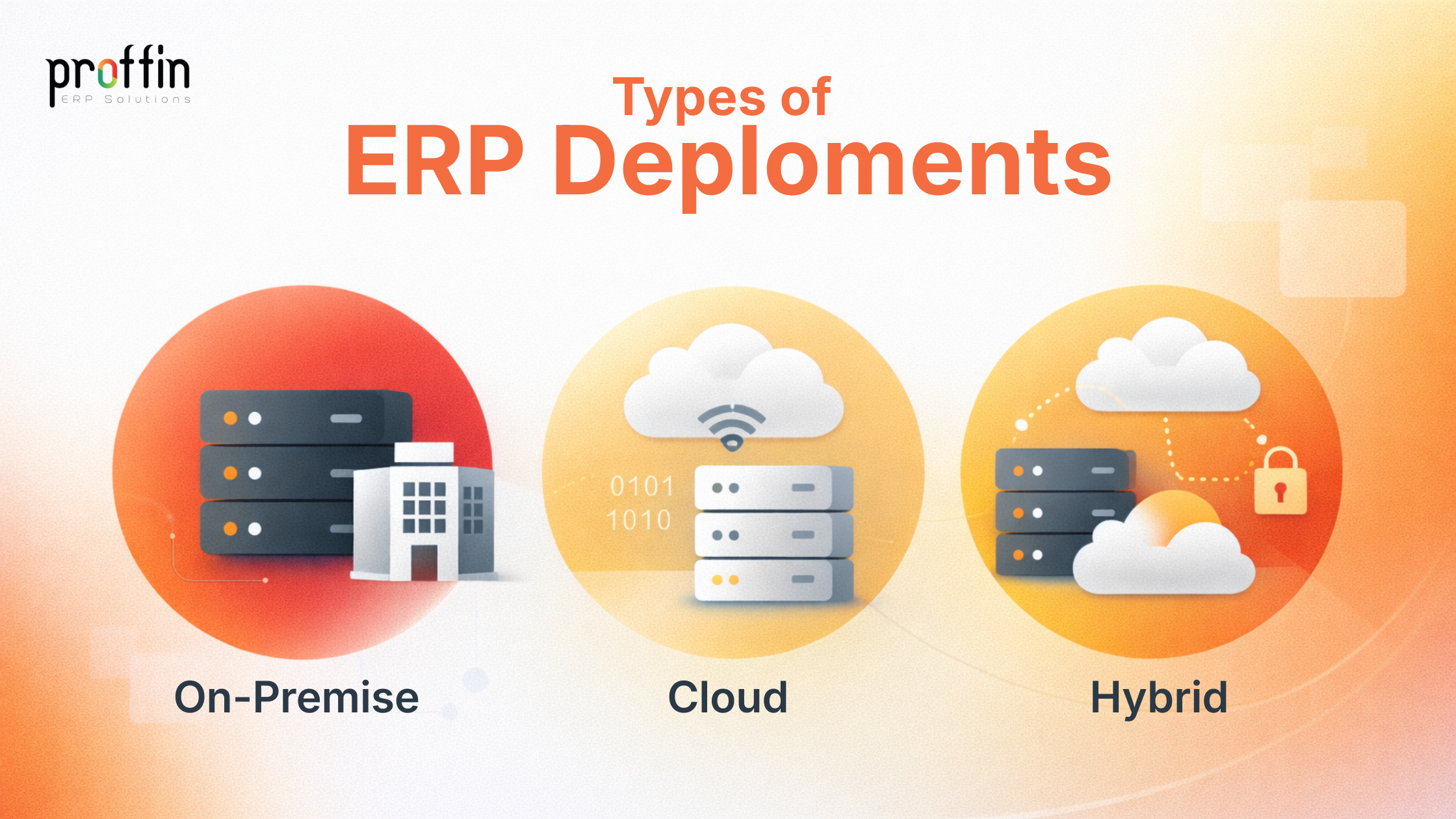
Deciding how to set up a new management system is one of the most critical steps a company can take. In today’s fast-moving market, the demand for reliable erp software has grown as business owners look for ways to stay organized and competitive. However, the technical side of things can get confusing. Understanding the different ways to deploy enterprise software will help you figure out where your data lives, how much you need to spend upfront, and how your employees will handle their daily tasks. Whether you are looking for a cloud-based online erp software or a more traditional setup, your choice will impact your business for years to come.
On-premise deployment is the classic way of running erp software . With this method, you install the software directly on servers that sit inside your own office building. Many companies choosing enterprise software prefer this because it gives them total physical control over their hardware and data.
Since everything is handled locally, you aren’t always dependent on the internet to keep your core operations running. However, this type of erp software usually involves a larger initial investment because you have to buy the servers and pay for an IT team to maintain them. While it offers great control, it isn’t as flexible or easy to update as online erp software
Cloud-based systems have changed the way we think about online erp software . Instead of buying expensive hardware to keep in your office, the software is hosted on the provider’s secure servers. You and your team simply log in through a web browser to access your erp software
This is often the go-to choice for businesses that want to avoid high starting costs. Because it is an online erp software solution, your staff can check inventory or approve invoices from anywhere—whether they are at a coffee shop, at home, or in the office. This makes it a very popular enterprise software option for modern companies that value mobility and fast growth.
Sometimes, a business doesn't want to choose just one way. Hybrid deployment lets you combine the best parts of both worlds. You might keep your most sensitive data on a local server using erp software in oman while using the cloud for things like customer service or sales tracking.
Using this kind of enterprise software setup allows you to keep a high level of privacy while still enjoying the work from anywhere benefits of online erp software . It’s a smart middle ground for organizations that are transitioning into the digital age but want to move at their own pace.
Picking the right erp software in oman depends on your specific needs. You have to weigh your budget against your need for customization and remote access. If you want a system that stays updated automatically and doesn't require a server room, online erp software is likely your best bet. On the other hand, if you already have a strong IT team and want to own every piece of your infrastructure, a standard enterprise software installation might work better.
When it comes to local expertise, Proffin stands out as the top choice for erp software in oman. We understand the local market and have built our online erp software oman to be incredibly easy to use while remaining powerful enough to handle complex tasks.
Proffin provides a seamless experience for businesses looking for enterprise software oman that is fully compliant with Omani tax laws and VAT regulations. Our platform is designed to be straightforward and professional, removing the technical headaches so you can focus on your customers. With local support and a system built for the way you work, Proffin is the most trusted partner for erp software in oman.
03 February, 2026
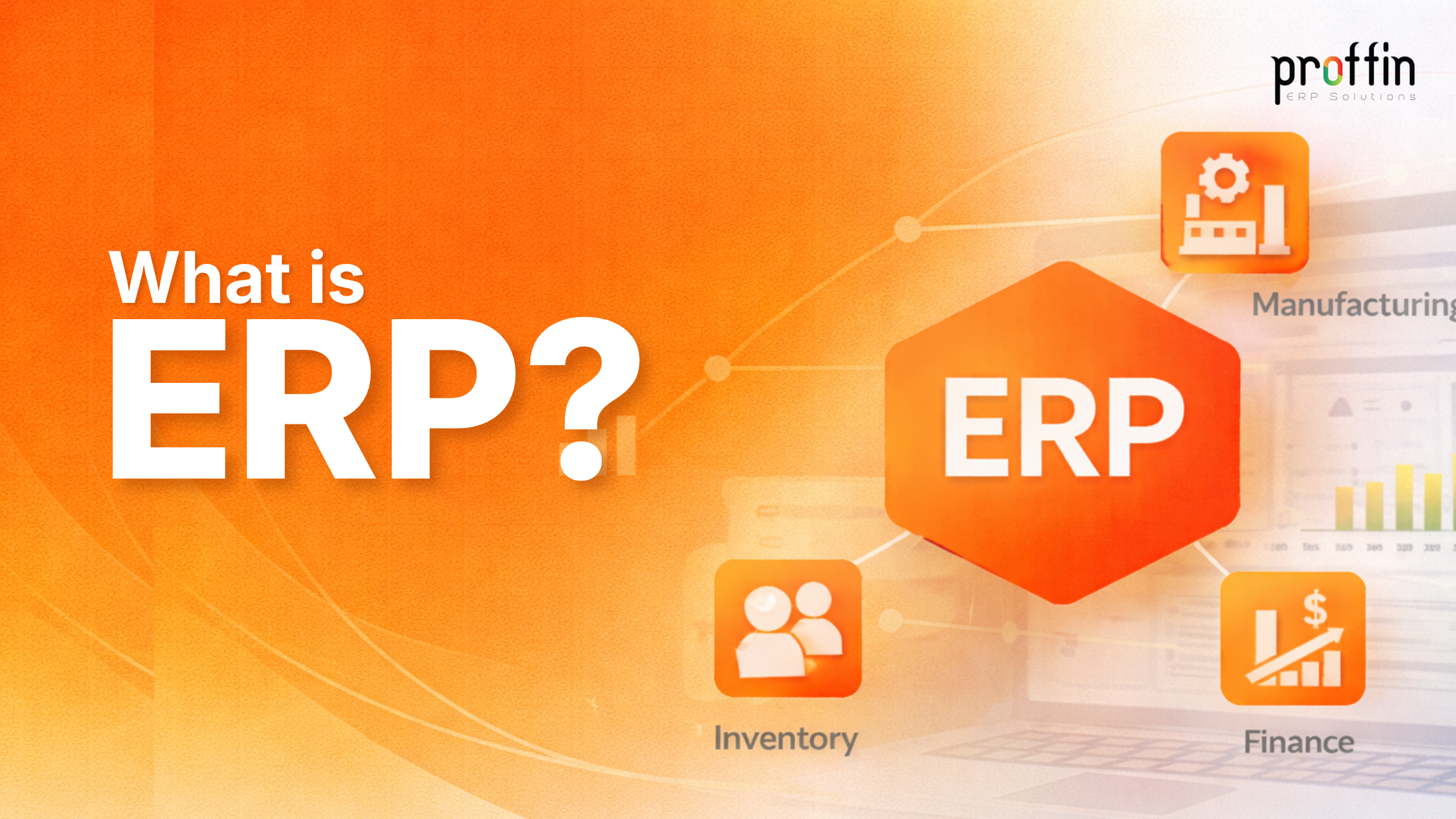
Managing a company is a huge challenge. One day you are busy with sales, and the next, you are trying to understand why your warehouse stock doesn't match your records. For many owners, the real stress isn't the work itself—it's the mess of spreadsheets and paper notes. When your accounting, stock, and staff details live in different places, things go wrong. This is why more and more people are moving toward a single way to bring all these parts together under one roof.
ERP stands for Enterprise Resource Planning. To put it in plain words, it is a piece of software that acts like a central brain for your company. Instead of using five different apps, an erp software gives you one central place to do everything. When a customer buys something, the system tells your warehouse to update the stock and automatically tells your finance team to record the payment.
Having a reliable erp system means you don't have to spend your weekend checking for errors. Everything happens as it should. Whether you are at your desk or checking from your phone, an erp helps you see exactly how your business is doing right now.
The main goal of an erp software is to save you time. When your team doesn't have to type the same data into different files, they can focus on things that actually help you grow. Here is how it helps:
The market has many options, but the best erp software in saudi arabia is the one that is easy for your staff to learn. You don't need a system that is too complex or requires months of training. You need an erp software saudi arabia that handles the hard work in the background while keeping the screen clean for you.
A strong erp system saudi arabia should have clear modules for inventory, simple billing, and a secure way to manage your employee records. By picking the best erp software in saudi arabia, you are making a real investment in your company’s future success.
With the 2030 vision, the business world in the Kingdom is moving away from old manual ways. An erp is no longer just for big corporations; it is a tool for every business that wants to stay modern. Whether you run a small shop or a large distribution hub, a solid erp software keeps you ahead of the competition.
Finding the right partner is the most important step. Proffin is the best choice because we understand exactly what local owners need. We offer what many consider the best erp software in saudi arabia because our system is simple, cloud-based, and fully ZATCA-compliant.
Proffin helps you manage finances, track stock, and process payroll all in one dashboard. It takes away the stress of manual bookkeeping and ensures your e-invoicing is always correct. If you want a reliable erp in saudi arabia that grows with you and keeps your data safe, Proffin is the perfect fit to help you reach your goals.
02 February, 2026
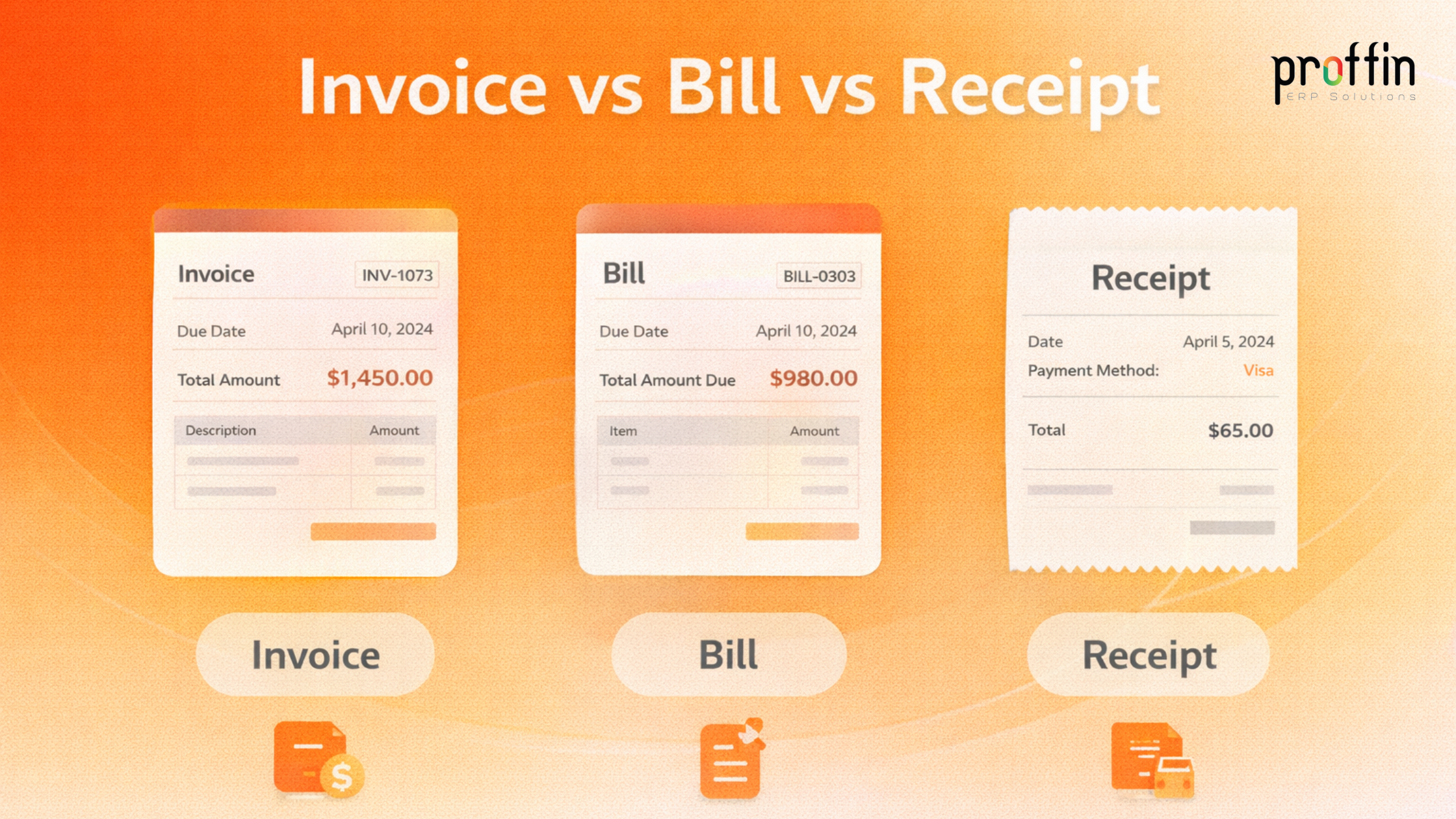
Figuring out the exact difference between an invoice, a bill, and a receipt is something every business owner eventually has to do to keep their records clean. It is much easier to manage these documents when you have the best accounting software to categorize everything automatically. Most people starting out find that using a reliable accounting software prevents the headache of lost paperwork or double payments. If you want to stay professional, having a dedicated billing software ensures your customers get clear payment requests on time. On top of that, switching over to the best cloud accounting software means you can pull up any of these documents on your phone while you are on the go, making your daily life a lot simpler.
An invoice is essentially a formal request for payment. You send this to your client after you have finished a job or delivered a product, but before they have actually paid you. It lists exactly what was provided, the cost, and how you want to be paid.
By using the best accounting software , you can track these invoices to see who still owes you money. This is a huge part of staying in business. Without accounting software , it is very easy to forget about an unpaid invoice. A good system will send a friendly nudge to the customer so you don't have to.
The short answer is: it depends on who you are in the transaction. When you send an invoice to a client, they receive it and record it as a "bill" in their own system. So, a bill is just an invoice that you have to pay.
Managing your bills is just as important as sending invoices. The best cloud accounting software helps you log these incoming costs so you can see your total expenses for the month. If you are using billing software in uae, you can set up your system to remind you when a vendor's bill is due. This keeps your business reputation strong because you’ll never be late with a payment.
A receipt is the final piece of the puzzle. You only issue or receive a receipt after the money has changed hands. It is the solid proof that the deal is done and the payment was successful.
In the past, people kept boxes of paper receipts, but that is a mess. With the best accounting software in uae, you can attach a digital photo of a receipt directly to the transaction. Most accounting software even lets you email receipts to your customers instantly. It saves time and ensures you are ready if you ever need to show proof of a purchase for tax reasons.
If you mix up your invoices and receipts, your profit reports will be wrong. You might think you have more cash than you actually do. This is why many companies invest in the best cloud accounting software. It keeps a clear line between what you are owed (invoices), what you owe (bills), and what is already paid (receipts). Using the right billing software in uae makes this whole process feel like second nature.
When you look at the daily tasks of running a company, you want tools that make your life easier, not harder. Proffin is the best for your business because it was built to be simple and powerful at the same time. Whether you are handling invoices for a small shop or managing complex bills for a large company, Proffin gives you all the features of the best accounting software in uae without the steep learning curve.
Proffin stands out because it combines everything—accounting, inventory, and payroll—into one smooth platform. You get the security of the best cloud accounting software with local support that actually understands your needs. By choosing Proffin, you are choosing a partner that helps you spend less time on manual data entry and more time actually growing your business.
30 January, 2026
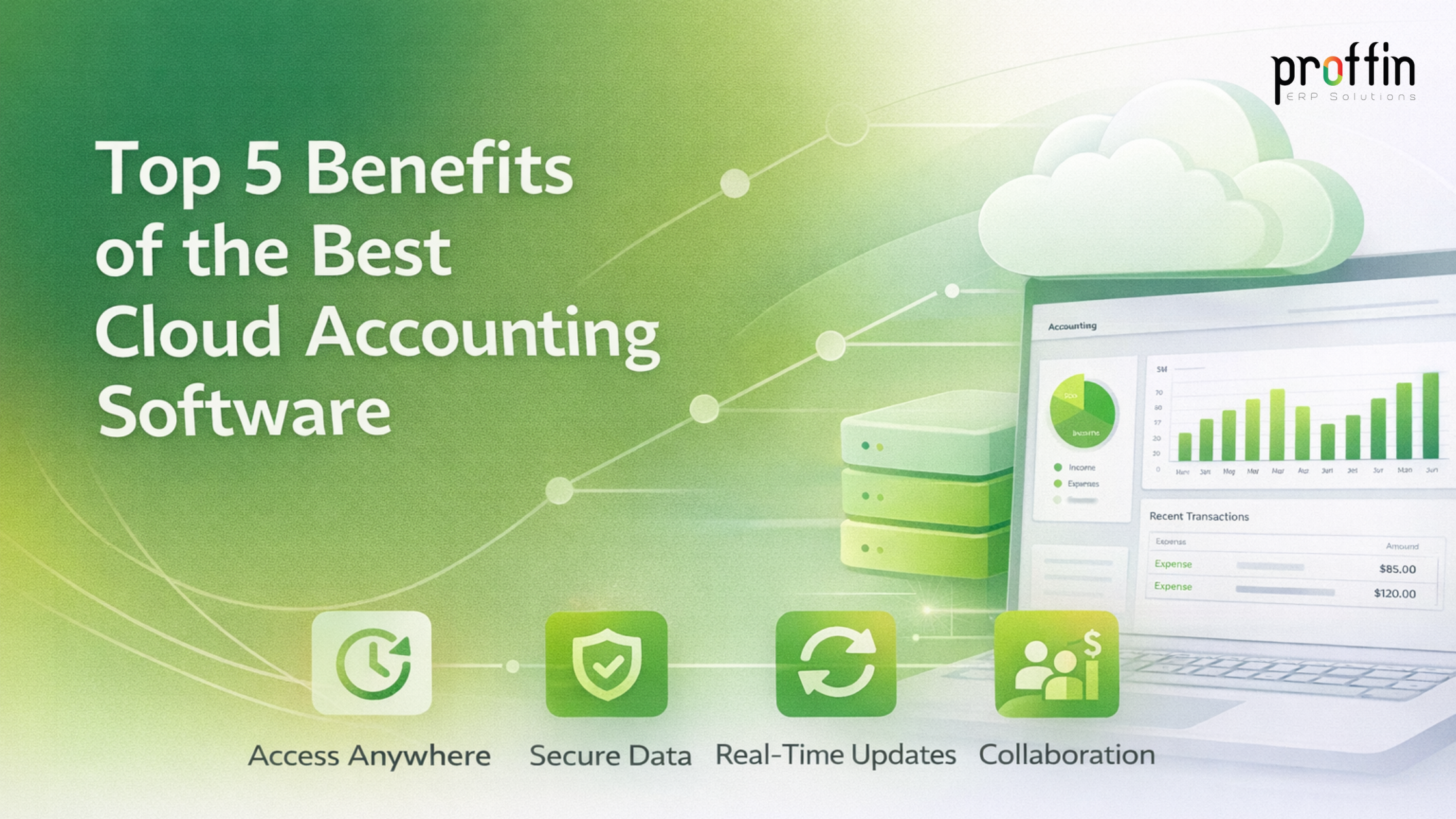
Moving your finances to the best cloud accounting software helps you keep things organized, cuts down on annoying mistakes, and keeps your growth on track. If you are operating in the Indian market, picking the best GST accounting software in India is a total game-changer for staying on top of tax rules without the constant headache of manual math. On top of that, setting up a solid cloud ERP software gives you one central place to watch over your money, your stock levels, and even your staff details. To make sure every single sale is recorded the right way, having the best gst billing software in your toolkit is a must for any company that wants to scale up.
The switch from dusty old ledgers to digital tools brings a lot of peace of mind. Here is a look at the real-world benefits of using modern accounting systems.
Staying on the right side of tax laws is often the most draining part of being a business owner. With the best GST accounting software in India, filing your taxes becomes a smooth, automatic habit rather than a monthly crisis. These programs calculate the exact GST on every single invoice for you, so you are always ready if an auditor ever knocks on your door. When you use the best gst billing software, your receipts are already designed to follow the law perfectly, which keeps you safe from those expensive, unexpected fines.
A major plus of using the best cloud accounting software is that you can see exactly where your cash is at any second. You don’t have to wait until the end of the quarter to see if you actually made a profit. Since a cloud ERP software India keeps everything connected, your data updates the moment a sale happens. This live access helps you make smart choices about where to spend or save based on real facts rather than just a "gut feeling."
It is totally normal to worry about hackers or losing important files. Physical books can get lost or damaged, and old computers can crash without warning. However, the best cloud accounting software uses the same kind of heavy-duty security as big banks to lock up your private info. By using a trusted cloud ERP software India, your records are backed up in safe spots online, making them much more secure than a stack of papers sitting in an office cabinet.
Typing in numbers by hand almost always leads to a typo eventually. By putting the best gst billing software to work, you stop doing the same boring tasks over and over. The best GST accounting software in India makes sure that things like discounts and tax totals are 100% accurate every time. This saves you hours of boring work and makes you look much more professional to your clients.
Managing a business requires looking at the big picture. A high-quality cloud ERP software India connects your accounting to your warehouse and your payroll system. This means when you finish a sale using your best gst billing software, your inventory levels drop and your profit goes up automatically. This kind of teamwork between systems is why the best GST accounting software in India is such a smart move for small and big companies alike.
While these digital tools are changing the world, you still need a reliable partner to help you set them up. Proffin stands out because the platform is designed to be powerful yet incredibly simple to navigate.
Proffin is the best for your business because it takes the "scary" out of accounting. Many systems are just too hard to learn, but Proffin is built so that anyone can jump in and use it, even if you don't have a degree in finance. It provides a safe, online space that lets you check on your business from anywhere—whether you are at your desk or out on the road. With Proffin, you get a full system that handles your stock, your team, and your paychecks while following all the rules.

29 January, 2026
Finding the right tools to manage your business money is a major decision that every owner faces. In a busy market, keeping an eye on every Rial spent or earned is the only way to ensure your company stays strong. The best accounting software does much more than just track sales; it gives you a clear picture of your success and helps you follow the law. You want a system that makes your life easier, not more complicated, so choosing the right fit requires looking at a few simple factors.
Before picking any system, think about what you actually do every day. A small cafe has different needs than a large construction firm. If you only need to send invoices, basic accounting software might work. But if you have many employees and a lot of stock to track, you will likely need a full ERP software in Oman. This kind of system brings all your tasks together in one place. If you happen to have branches in other countries, you might even look for an erp software in qatar to keep everything unified.
Being stuck at a desk is a thing of the past. Most people now prefer online accounting software Oman because it lets you check your business from your phone or a laptop at home. When you use online accounting software Oman, your data is stored safely on the internet. This means you don't have to worry about your office computer crashing and losing all your records. Having your accounting software in Oman available online means you always have the latest numbers whenever you need to make a quick decision.
Tax rules are an important part of running a business today. You cannot afford to make mistakes with your tax filings. Using a reliable VAT software in Oman helps you calculate the right amount of tax on every sale automatically. This stops you from making manual errors that could lead to problems with the government. A good VAT software in Oman will prepare your reports for you, so you don't have to spend hours doing math at the end of the month. This is also helpful if you are dealing with regional trade and using an erp software in qatar as well.
Your business will grow, and your tools should grow with you. The accounting software you pick today should be able to handle more customers and more data next year. It is also important that the system is easy to learn. If an accounting software is too hard to use, your staff will get frustrated and make mistakes. Always look for an online accounting software that is simple, clear, and easy to navigate for everyone on your team.
Sometimes you might get stuck or have a question about a feature. This is why having a local team to help you is so important. When you choose an ERP software in Oman, you want to know that someone is just a phone call away. Whether you are searching for VAT software in Oman or a total business solution like an erp software in qatar, having expert support makes the transition much smoother.
Proffin is the top choice for business owners because we focus on making high-quality technology easy to use. Our accounting software in Oman is built specifically for the local market, ensuring that every feature helps you save time. With our ERP software in Oman, you can manage your staff, your stock, and your sales all in one simple dashboard.
Our online ERP software Oman gives you the freedom to run your business from anywhere in the world with total peace of mind. We also make sure you stay safe with tax laws through our built-in VAT software in Oman. Whether you are a local startup or an international company needing an erp software in qatar, Proffin provides the best tools and local support to help your business thrive.
23 January, 2026
Most factory owners don’t wake up one morning excited to buy software. It usually starts with a problem. Numbers don’t match. Stock goes missing. Production targets look fine on paper, but something feels off. Then someone mentions ERP or MES, and suddenly everything sounds more complicated than it needs to be.
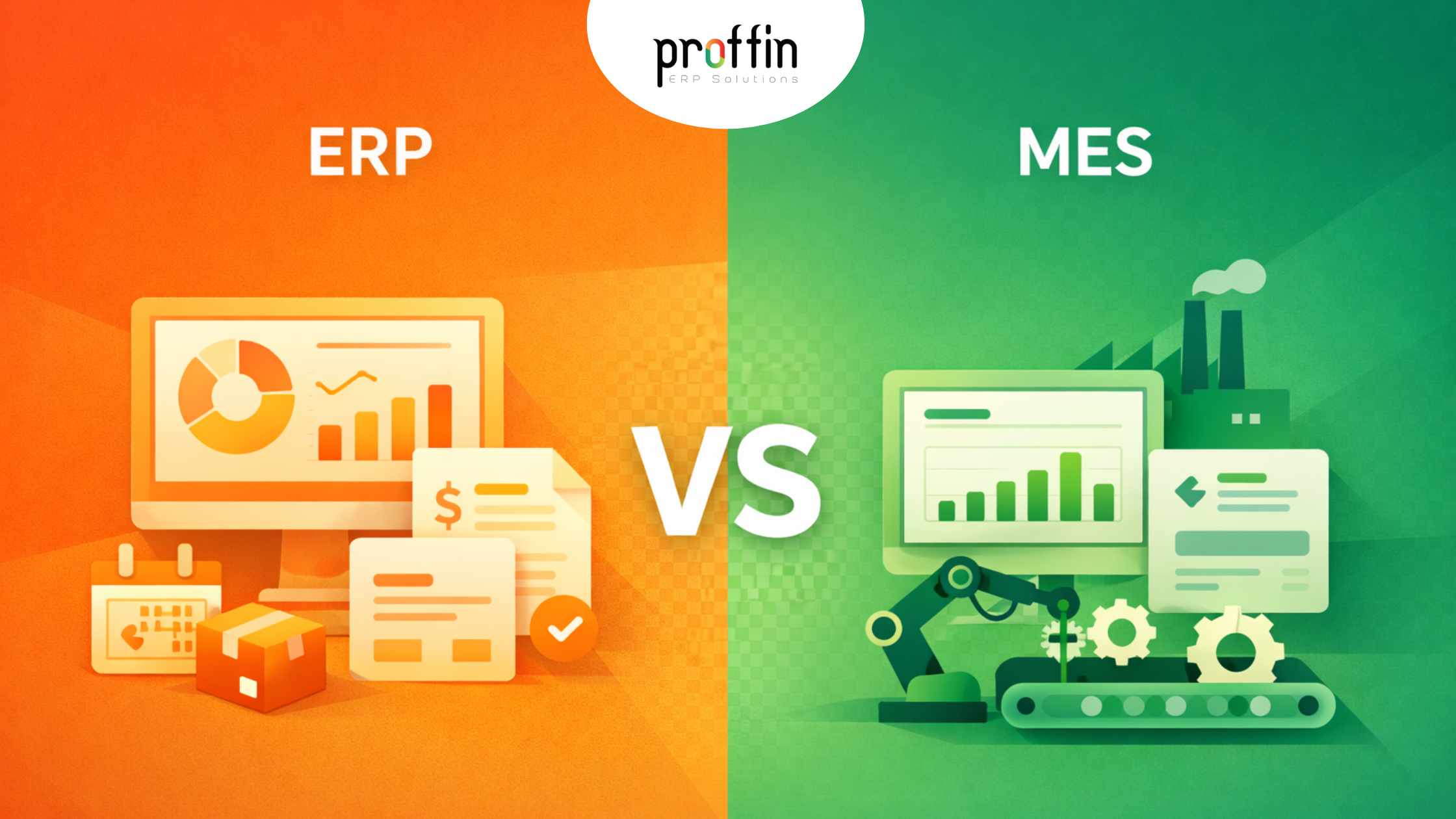
The truth is, ERP and MES are not competing systems. They just deal with different parts of your daily reality.
ERP is more about the business side of things. It helps you understand what’s happening with your money, your orders, your inventory, and your people. Many companies searching for ERP software are simply trying to bring order to chaos. Instead of checking five different tools or Excel files, they want one place where everything makes sense.
That’s also why cloud ERP in Qatar has become popular. You don’t need to be in the office to know what’s going on. You can check sales, payments, or stock whenever you need to. It’s useful for planning, budgeting, and understanding whether the business is actually making money.
But ERP doesn’t see what’s happening on the factory floor minute by minute. It won’t tell you why a machine stopped or why one shift produced less than another. That level of detail isn’t its job.
MES focuses on production. It stays close to the machines and the people operating them. This type of manufacturing software tracks what’s really happening while work is being done. It notices delays, downtime, material waste, and quality issues as they occur, not after the fact.
If ERP tells you what should happen, MES shows you what actually happened.
Many businesses don’t realize they need MES until small problems start costing real money. A few minutes of downtime here, some wasted material there—it adds up faster than expected.
| Feature | Enterprise Resource Planning (ERP) | Manufacturing Execution System (MES) |
|---|---|---|
| Primary Focus | Business Operations: Managing finances, HR, sales, and supply chain. | Production Execution: Managing the actual work happening on the shop floor. |
| Time Scale | Strategic: Operates in days, weeks, or months (Long-term planning). | Operational: Operates in real-time—seconds or minutes (Immediate action). |
| Core Question | "Why are we making this and when is the delivery due?" | "How are we making this right now and are the machines running?" |
| Data Type | High-level data like purchase orders, invoices, and payroll. | Granular data like machine temperature, scrap rates, and operator shifts. |
| Main Users | Executives, Accountants, Sales Teams, and HR Managers. | Plant Managers, Quality Inspectors, and Machine Operators. |
| Inventory | Tracks stock levels for buying and selling purposes. | Tracks raw materials as they move through the assembly process in real-time. |
| Goal | To improve overall business efficiency and profitability. | To increase machine uptime, reduce waste, and improve product quality. |
For most companies, the smartest approach isn’t trying to install everything at once. Getting ERP software in Qatar set up properly usually comes first. Once accounts, inventory, and reporting are clear, production tracking suddenly becomes far more useful. When ERP and MES work together, decisions stop being guesses.
Proffin builds ERP software in Qatar with real users in mind. The goal isn’t to impress with complicated features. It’s to make daily work easier. Accounts, VAT, inventory, and reports are kept simple and clear, especially through cloud ERP solutions that don’t tie you to a single location.
For manufacturing businesses, Proffin also provides manufacturing software in Qatar that focuses on what actually matters. No unnecessary clutter. No confusing dashboards. Just practical tools that help you understand your operations better.
At the end of the day, technology should support your business, not slow it down. Proffin works with Qatari businesses that want control, clarity, and steady growth—without turning everyday work into a technical headache.
21 January, 2026
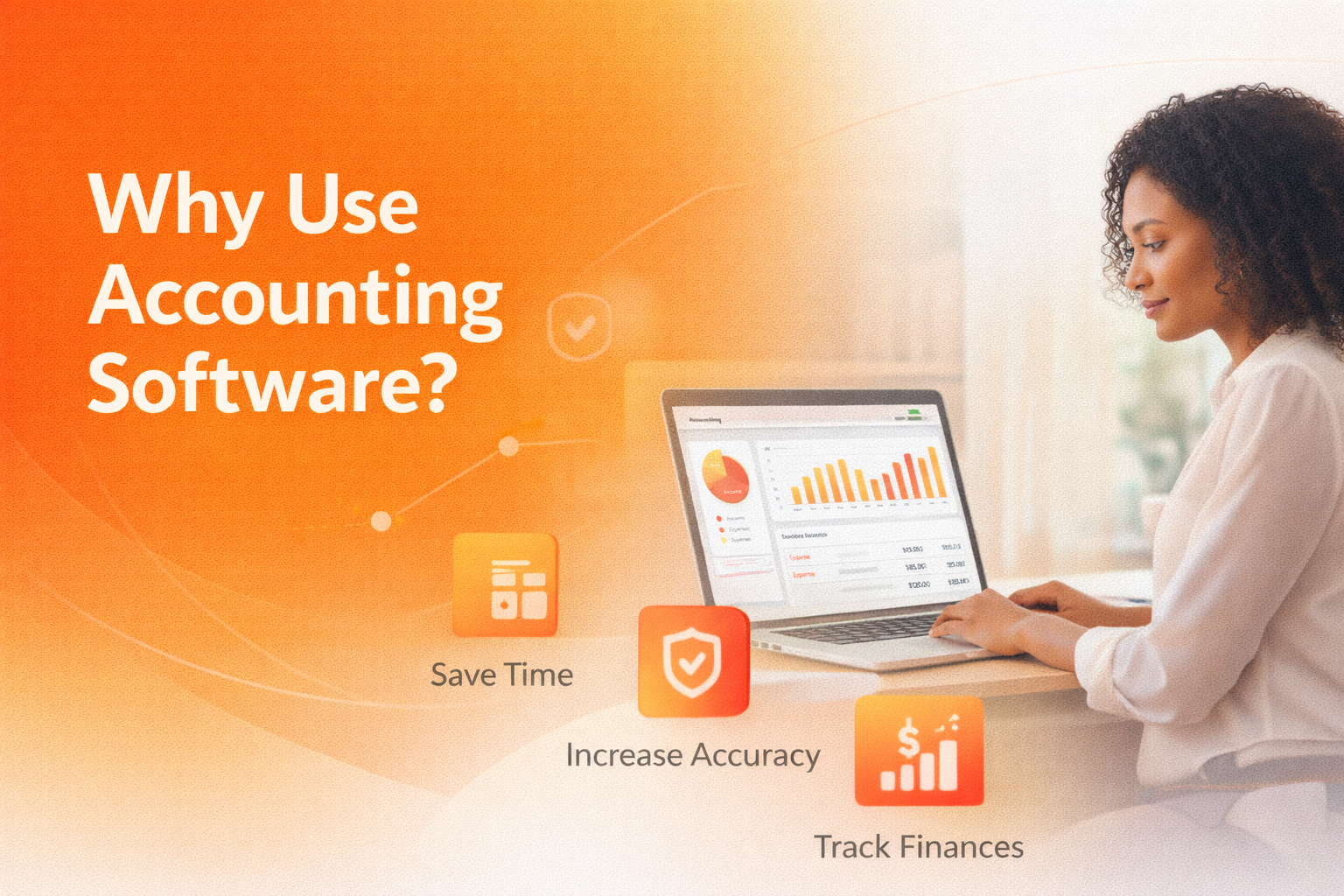
Managing a business is a lot of work. When you first start, it seems easy to just track your money in a notebook or a basic spreadsheet. But as you get more customers, those simple methods start to fail. You might miss a payment or forget to record an expense. Switching to the best cloud accounting software is a practical move to stop these errors. It is about making sure you know exactly where your money is going without spending all your free time on data entry.
Cash flow is what keeps your doors open. If you are slow at sending out bills, you will be slow to get paid. Using a dedicated billing software helps you get your invoices out the door the moment a job is finished. You don't have to sit down and manually calculate totals or tax every single time.
The best accounting software stores your customer details and prices. This means you can create and send a bill in seconds. It also helps you see who still owes you money. Having this list in front of you makes it much easier to follow up on late payments. It keeps your bank balance healthy and prevents the stress of not knowing your financial status.
Tax laws in Uae are strict. Since VAT was introduced, every business has to be very precise with their records. If you try to do these calculations yourself, there is a high chance of making a small mistake that leads to a big fine. The best cloud accounting software in uae is designed to handle these local tax rules for you. It automatically adds the right tax to every sale and keeps a record for your filings.
When you use the best accounting software , you are protecting your business. Your tax invoices will always have the correct information required by the law. In the best accounting software market, being organized is the best way to avoid trouble with the authorities. It turns a difficult task into something that just happens in the background.
In the past, if you wanted to see your profit, you had to go to the office and look at a computer. Modern systems change that. Because the best cloud accounting software works online, you can check your accounts from your phone or laptop while you are away. This is very helpful for owners who travel or work from different sites.
Many people choose a billing software that uses the cloud because it allows the whole team to stay updated. You can see your sales and expenses in real-time. This helps you make better choices about buying stock or hiring staff. You are working with fresh data instead of guessing based on old bank statements.
Manual bookkeeping takes up a lot of hours. It is also quite boring and easy to mess up. A simple typo can ruin a whole month of reports. The best accounting software in UAE takes over the math. Once you put in the basic numbers, the software does the rest.
By spending less time on paperwork, you can spend more time finding new clients or improving your products. Most business owners find that they save several hours every week by making this switch. It makes the daily routine much smoother and less frustrating.
| Feature | Manual / Spreadsheets | Modern Accounting Software |
|---|---|---|
| Data Entry | Hours spent typing rows and columns. | Automatic bank feeds and receipt syncing. |
| Invoicing | Created by hand; easy to miss details. | Professional bills sent in a few clicks. |
| Accuracy | High risk of math and typing errors. | Automatic calculations and error alerts. |
| Tax & VAT | Manual tracking; stressful filing. | Built-in tax reports and legal compliance. |
| Access | Stuck on one office computer or paper. | Accessible from any phone or laptop. |
| Reporting | Takes days to compile an end-of-month report. | Instant view of profit and loss anytime. |
Every company is different, but everyone needs clear and accurate records. You need a tool that is simple to learn and handles the local tax requirements without any issues.
If you want to move away from messy spreadsheets and start using a system that actually works for you, you should choose proffinonline. It is built for businesses in this region and makes your accounting simple, clear, and ready for growth.