


Deciding how to set up a new management system is one of the most critical steps a company can take. In today’s fast-moving market, the demand for reliable erp software has grown as business owners look for ways to stay organized and competitive. However, the technical side of things can get confusing. Understanding the different ways to deploy enterprise software will help you figure out where your data lives, how much you need to spend upfront, and how your employees will handle their daily tasks. Whether you are looking for a cloud-based online erp software or a more traditional setup, your choice will impact your business for years to come.
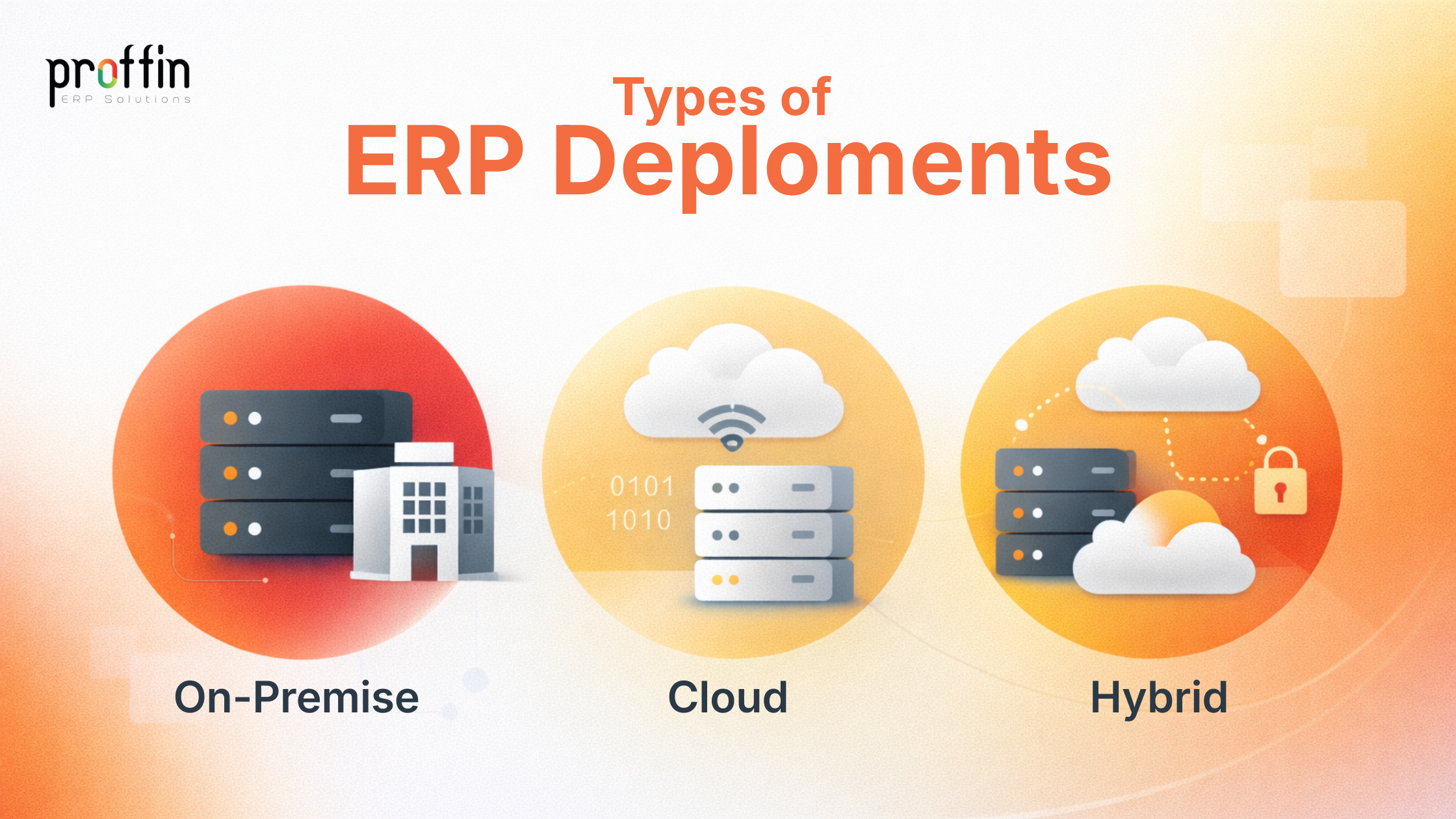
1. On-Premise ERP: The Traditional Approach
On-premise deployment is the classic way of running erp software . With this method, you install the software directly on servers that sit inside your own office building. Many companies choosing enterprise software prefer this because it gives them total physical control over their hardware and data.
Since everything is handled locally, you aren’t always dependent on the internet to keep your core operations running. However, this type of erp software usually involves a larger initial investment because you have to buy the servers and pay for an IT team to maintain them. While it offers great control, it isn’t as flexible or easy to update as online erp software
2. Cloud ERP: Modern and Flexible
Cloud-based systems have changed the way we think about online erp software . Instead of buying expensive hardware to keep in your office, the software is hosted on the provider’s secure servers. You and your team simply log in through a web browser to access your erp software
This is often the go-to choice for businesses that want to avoid high starting costs. Because it is an online erp software solution, your staff can check inventory or approve invoices from anywhere—whether they are at a coffee shop, at home, or in the office. This makes it a very popular enterprise software option for modern companies that value mobility and fast growth.
3. Hybrid ERP: A Mixed Strategy
Sometimes, a business doesn't want to choose just one way. Hybrid deployment lets you combine the best parts of both worlds. You might keep your most sensitive data on a local server using erp software in oman while using the cloud for things like customer service or sales tracking.
Using this kind of enterprise software setup allows you to keep a high level of privacy while still enjoying the work from anywhere benefits of online erp software . It’s a smart middle ground for organizations that are transitioning into the digital age but want to move at their own pace.
4. Making the Right Choice
Picking the right erp software in oman depends on your specific needs. You have to weigh your budget against your need for customization and remote access. If you want a system that stays updated automatically and doesn't require a server room, online erp software is likely your best bet. On the other hand, if you already have a strong IT team and want to own every piece of your infrastructure, a standard enterprise software installation might work better.
Why Proffin is the Best in Oman for Your Business
When it comes to local expertise, Proffin stands out as the top choice for erp software in oman. We understand the local market and have built our online erp software oman to be incredibly easy to use while remaining powerful enough to handle complex tasks.
Proffin provides a seamless experience for businesses looking for enterprise software oman that is fully compliant with Omani tax laws and VAT regulations. Our platform is designed to be straightforward and professional, removing the technical headaches so you can focus on your customers. With local support and a system built for the way you work, Proffin is the most trusted partner for erp software in oman.